
The Patterdale Terrier isn’t your average small dog. Don’t let its compact size fool you. Bred in the rugged hills of England for fearless, ground-hunting work, this breed has evolved into one of the most versatile dog breeds out there. The Patterdale chases prey underground and completes the task with focus. It moves fast, stays alert, and finishes what it starts. Its strong energy helps it perform demanding work without delay.
The Patterdale Terrier is a small dog with a big spirit. It’s fast, brave, and always ready for a challenge, whether working on a farm or playing with its family. This little dog loves to stay busy and learns new things quickly, making it great for various jobs. If you want a smart and loyal companion, the Patterdale is hard to beat.
History and Origins
Roots in the Lake District
The Patterdale Terrier comes from the rough land of England’s Lake District. People there needed a small, tough dog that could work in rocky hills. Shepherds bred these dogs to hunt vermin and foxes and protect their land.
In the late 1800s, Joe Bowman led the Ullswater Hunt and shaped the breed. He mixed strong Fell Terrier lines, including Border Terriers, to build a dog that could go anywhere and get the job done.
Development as a ‘Go-To-Ground’ Terrier
The Patterdale stood out because it could go underground and follow prey into tight tunnels. It did not stop at digging. It entered narrow burrows, pushed forward, and drove prey out into the open. This skill made it useful in real hunting work.
The breed showed strong focus and did not give up. Its small but solid body helped it move through tight spaces. A wide chest, firm grip, and strong jaws helped it hold prey when needed. Every part of its body served a clear purpose.
Over time, hunters like Cyril Breay shaped the dog even more. They chose courage and persistence over looks. They bred dogs that stayed with the task until the job was done.
Physical Characteristics
Size, Build & Structure
Patterdale Terriers may look small, but they carry strong power. They usually stand 10 to 15 inches tall at the shoulders. Their bodies look square or slightly long, with solid muscles that support hard work.
They keep a straight back and a gently curved waist. This body shape helps them move for long periods and turn with ease. It also helps them bend and fit into tight spaces.
Coat Types, Colors & Texture
Patterdales show clear variety in their coat types. Breeders recognize three main kinds. Some have smooth coats. Others grow rough coats. A third group carries broken or wire-haired coats. Each type serves a clear purpose in rough outdoor work.
The dog grows a thick undercoat that blocks cold and wet weather. This coat helps it work in damp and chilly weather without trouble. It protects the body and supports long hours outside.
Patterdales also come in many colors. Common shades include black, red, liver or chocolate, black and tan, and grizzle. Many dogs show white marks on the chest or feet. This range of coats and colors proves one thing. Breeders chose strength and field use over looks alone.
Skull, Head & Bite Strength
Patterdales have a strong head that matches their body well. The head forms a wedge or trapezoid shape. This balance helps the dog work with control and strength.
The muzzle looks solid and carries strong muscles. It allows the dog to grip prey with confidence while working underground. The teeth meet in a scissors or level bite. In working dogs, worn or broken teeth do not matter much if the dog can still do the job.
The eyes sit deep and straight in the skull. They do not stick out, which helps protect them during underground work. Eye color usually matches the coat, giving the dog a clear and steady look.
Temperament and Personality
Working Drive & Energy Levels
Patterdale Terriers are true working dogs. Their energy is not just for fun; it has a purpose. A simple daily walk is not enough for them. They need strong exercise, such as hiking, running, or active play, to stay happy. Without sufficient activity, their energy can turn into digging, barking, or other unwanted behaviors.
Loyalty and Relationship with Owners
Despite their independence, Patterdales form deep, loyal bonds with their families. They may pick one person to shadow a behaviour that mirrors their working-dog roots, wanting to be close to their human partner in “the job.” Their loyalty is not clingy but intentional: once trust is built, they become affectionate, protective, and attentive.
Prey Drive and Independence
One of the most defining traits of the Patterdale is its high prey drive. Bred to pursue and capture quarry, they often react strongly to small animals, squirrels, or fast-moving things.
This isn’t a dog that will simply ignore a rodent; their instincts often override commands if not properly managed. Their independence is double-edged: while they are intelligent and resourceful, they also require a trainer who can channel that independence rather than suppress it.
Recall Challenges & Socialization
Because of their strong instincts and focused drive, recall can be difficult for Patterdales. Many owners advise always using a secure lead or fenced area, especially in environments with wildlife.
Early socialization is critical, not just for general manners but to moderate their prey-drive behaviors and help them differentiate between “work” and “play.”
Versatility in Roles
Traditional Work – Hunting & Vermin Control
Originally, Patterdale Terriers were tools of the trade: hardy, courageous, and bred to flush out or hold prey in its den until a hunter could dig or the quarry emerged. Today, while many Patterdales live as pets, some continue to work as hunters, pursuing rats, foxes, raccoons, or other small game. Their ability to “go to ground” remains one of their most prized working traits.
Modern Dog Sports
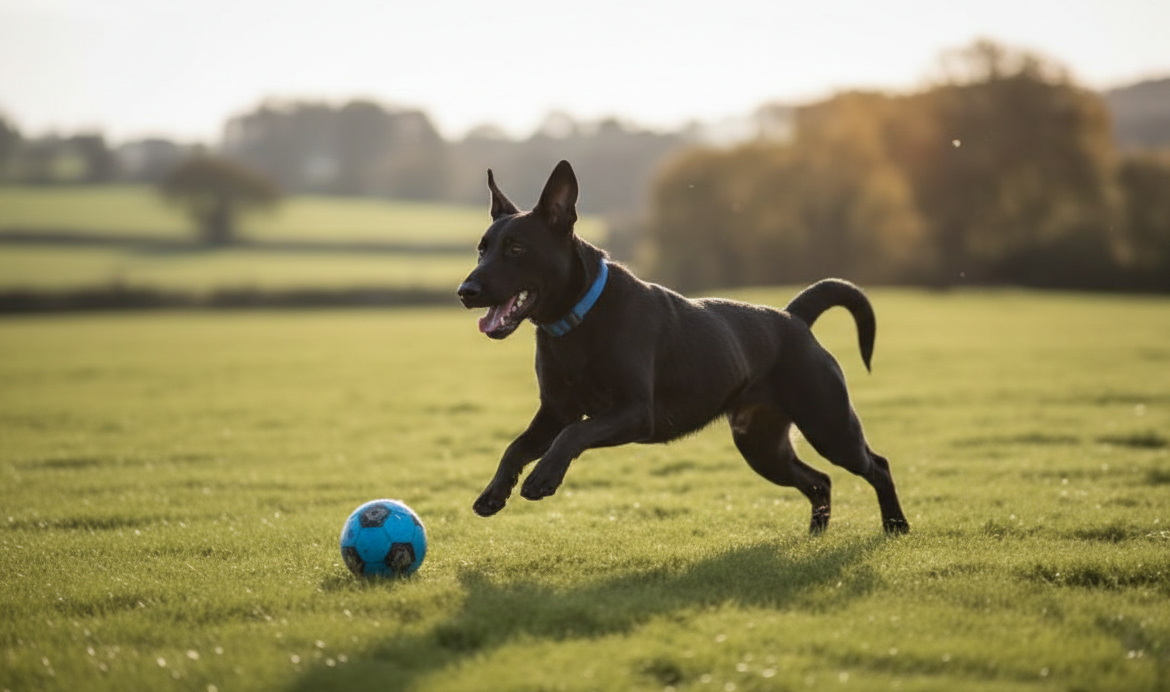
One of the most compelling proofs of their versatility is how well Patterdales adapt to modern canine sports:
- Agility: Their small, muscular frame and high energy make them natural competitors in agility courses.
- Barn Hunt & Terrier Racing: These dogs are often seen in barn hunt events, where they can use their instinctive drive to search for “hidden” rats or targets. Some also compete in terrier racing, displaying both speed and persistence.
These sports allow them to exercise both physically and mentally, leveraging their working roots in a structured, fun way.
Companion Animal & Family Pet
While not universally suited to couch-potato life, Patterdales can be loving family companions. Their loyalty and intelligence make them good for active families, especially those who appreciate a “dog with a job.” They may not be ideal in a minimalist apartment lifestyle, but in the right hands, they transition beautifully into a pet role with plenty of enrichment and structure.
Rural vs Urban Adaptability
Though traditionally associated with rural working environments, some Patterdales live in semi-urban or even suburban settings. That said, success largely depends on the owner’s willingness to meet their high exercise and mental stimulation needs. For owners in urban areas, daily long walks, play sessions, and structured training can help. But without that, the risk of boredom and behavioral problems increases.
Care and Training
Exercise Needs
A Patterdale Terrier’s exercise requirements are among its most demanding features. Many sources recommend at least one hour of vigorous activity every day, but two hours or more is often ideal for truly meeting their drive. Running, hiking, agility, or interactive play like tug or fetch are excellent outlets.
Mental Stimulation & Enrichment
Physical activity alone isn’t enough. To stave off boredom, Patterdales need mental enrichment: puzzle toys, advanced obedience, nose work, or trick training. Because their brains are always “on,” combining mental challenges with physical outlet helps satisfy their working-dog instincts.
Training Strategies for Strong-Willed Dogs
Training a Patterdale requires consistency, patience, and positive reinforcement. Harsh corrections backfire with a terrier that has a strong personality and an independent streak. Reward-based training treats, praise, and play work best.
Over time, structured routines can help them understand when to “work,” e.g., during play or sessions, and when to relax. Socialization is also essential; exposing them to people, other dogs, and various environments helps moderate unwanted behaviors, especially their prey drive.
Socialization & Prey-Drive Management
Given their innate prey drive, early and ongoing socialization is critical. Training should include controlled exposure to small animals if possible, distractions, and recall practice. Using a securely fenced yard or leash is often necessary. Some owners even train their Patterdales to ignore small pets using redirected focus, favorite toys, and treats when appropriate.
Living Considerations
Space Needs (Yard, Fenced Area)
Patterdales benefit greatly from a secure, fenced area where they can run off-leash safely. Their instinct to roam and explore is strong, and giving them space to burn off energy is one of the best investments you can make as an owner.
Compatibility with Other Pets
These terriers are not always great with small pets, especially rodents or very small animals, due to their hunting instincts. That said, some Patterdales who are raised carefully with other animals, e.g., kittens when very young, might get along. But for many, supervision, training, and early socialization are non-negotiable.
Suitability for First-Time Owners
While adorable and spirited, Patterdales are not typically recommended for first-time dog owners. Their high energy, strong-willed temperament, and work drive mean they require a confident, consistent handler. They do best with someone who understands working terrier breeds and is ready to put in the time for training, exercise, and enrichment.
Health and Lifespan
Common Health Issues
Like all breeds, Patterdale Terriers have some health vulnerabilities. Two of the most frequently cited are:
- Eye Conditions: Glaucoma and lens luxation (when the lens of the eye displaces) are known to occur in some Patterdales.
- Joint & Spinal Problems: Hip dysplasia and intervertebral disc disease (IVDD) have been reported in working lines.
These conditions highlight the need for responsible breeding, early screening, and preventive care.
Preventive Care & Wellness Tips
To help mitigate health risks, owners should establish a regular veterinary schedule early. This includes:
- Eye exams (especially for working or breeding dogs)
- Joint screening, possibly through X-rays if recommended
- Weight management (Patterdales can pack on pounds if under-exercised)
- Spinal hygiene: avoiding excessive jumping in young dogs, using steps or ramps if needed
Life Expectancy & Aging
Patterdale Terriers generally live 10–12 years, according to several breed sources. With the right care, solid nutrition, exercise, and health monitoring, many Patterdales remain active and happy well into their senior years.
Why Patterdale’s Versatility Stands Out
From Quarry to Couch – Balancing Work & Family
What makes the Patterdale Terrier so versatile is its dual capacity: it can be a fierce working dog yet a devoted family companion. For hunters, it’s still a reliable ground dog; for non-hunters, it’s a high-energy friend that thrives on purpose-driven activities.
The ‘Type’ Dog: Function Over Form
Unlike many show-focused breeds, Patterdales are often bred for type rather than strict pedigree. Their standard emphasizes working ability over perfect conformation. This results in variability in appearance but consistency in temperament and drive, a breed built for function.
Unique Strengths Compared to Other Terriers
Compared to terriers like the Jack Russell or Border Terrier, the Patterdale’s combination of power, chest flexibility, and bite strength gives it an edge in underground work. Compared to larger working breeds, it’s compact enough to navigate tight burrows. And in dog sports, its tenacity often shines through.
Challenges and Considerations
Not for Everyone – Temperament Caveats
Their independence, high drive, and fearlessness mean Patterdales demand more from their owners than a typical lap dog. Without proper outlets, they can become destructive, vocal, or hyperactive.
Potential Behavioral Issues
Some common behavioral concerns include recall problems, prey-driven chasing, and stubbornness during training. As one owner put it:
“They are cannonballs … extremely strong for their size … and very brave … they can be good guard dogs also.”
Another noted that under-stimulation leads to “nuisance behaviors.”
Training Commitment & Owner Experience
Training a Patterdale isn’t a weekend project. It requires long-term consistency, firm but fair boundaries, and proactive enrichment. These aren’t the ideal breed for someone looking for a “quiet, low-maintenance” dog.
How to Choose a Patterdale Terrier
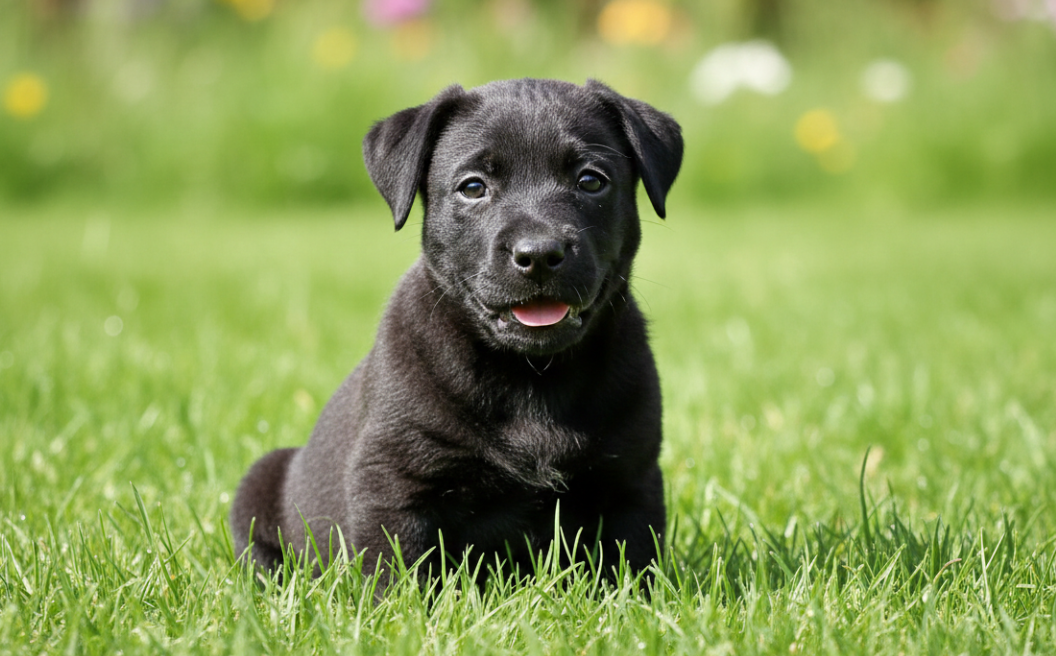
Finding a Reputable Breeder / Rescue
Because Patterdales are often bred for work, not show, it’s important to seek out breeders who prioritize temperament, health, and hunting ability over appearance. The Patterdale Terrier Club of America (PTCA) is one registry to consider. Rescues may be available, too, particularly among working terrier circles.
Assessing Temperament & Working Line vs Pet Line
When choosing a Patterdale, ask whether the dog comes from working lines with high prey drive and gameness or pet lines bred more for companionship. A working-line pup may need more training and structure. Observing parent dogs or meeting them) can give clues about temperament.
Preparing Your Home
To welcome a Patterdale, prepare a secure, fenced yard, invest in interactive toys, and commit to a daily routine of exercise + training. Make sure everyone in the household understands the terrier temperament and is ready to support the breed’s needs.
Fun Facts & Myths
Common Misconceptions About Patterdales
- Myth: They’re just “small Jack Russells.” Truth: Patterdales often have more muscle, bite strength, and a spanned chest for going underground.
- Myth: They’re overly aggressive. Truth: While prey-driven, with proper training and socialization, many are affectionate and loyal.
Little-Known Facts
- Scars from fights or digs are often considered a badge of honor in working Patterdales.
- Despite being primarily working dogs, many Patterdales are now recognized in dog sports like barn hunt.
FAQs
- Are Patterdale Terriers good family pets?
Yes, they can be excellent family companions for active families who can meet their high exercise and mental stimulation needs. They are loyal, intelligent, and affectionate, but may challenge inexperienced owners. - Can a Patterdale Terrier live in an apartment?
It’s possible, but not ideal: Patterdales need secure exercise outlets and lots of mental enrichment. Without this, they may develop destructive or noisy behaviors. - What health issues should I watch out for in Patterdales?
Common concerns include eye conditions like lens luxation, joint problems such as hip dysplasia, and intervertebral disc disease (IVDD). Regular vet check-ups, screening, and preventive care help mitigate risks. - How much exercise does a Patterdale Terrier need daily?
Typically, at least 60 minutes of vigorous exercise is required, though many Patterdales thrive on 1.5 to 2 hours per day, plus mental enrichment through training or games. - Is a Patterdale Terrier good for first-time dog owners?
Generally, no, due to their strong prey drive, high energy, and independent nature, Patterdales are best suited for owners experienced with working or terrier breeds who are committed to consistent training and activity.
Conclusion
The Patterdale Terrier truly stands out as one of the most versatile dog breeds: a fearless working hunter, a spirited sports athlete, and a devoted family member. Its origin in the rugged Lake District forged a dog built not just for function, but for heart, strong, energetic, and endlessly determined.
If you’re considering adding a Patterdale to your life, take time to reflect on your lifestyle, training commitment, and energy levels. Reach out to reputable breeders or rescues, ask about working versus pet lines, and prepare your home with the right tools and routines.